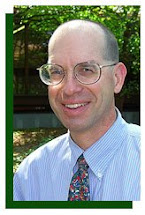
Recently, I paid my 2008 dues for several conservation organizations. I pay to support these organizations because of their plans for conservation and for the success they hope to achieve. I believe one of the greatest conservation benefits of these organizations is how communication is enhanced between members and with others. You can help conservation in Missouri and throughout the world by supporting one or more of the many groups that do conservation work.
For example, some groups that I support include:
The Conservation Federation of Missouri
The Missouri Chapter of The Wildlife Society
The Wildlife Society
Sigma Xi, the Scientific Research Society
The International Association for Society and Natural Resources
Many more organizations that do conservation work are listed on the pages of the Association of Fish and Wildlife Agencies and the many groups listed as affiliates of the Conservation Federation of Missouri.
You can also support conservation in Missouri through the Missouri Conservation Heritage Foundation or the Missouri Department of Conservation.
Monday, December 31, 2007


Tuesday, December 18, 2007
The Vision for Conservation in Missouri
Recently, a University of Missouri class asked some questions about the vision statement of the Missouri Department of Conservation.
In answering their questions, I was reminded of two statements from John F. Kennedy. Kennedy spoke at Rice University in Texas on September 12, 1962 about landing a man on the moon. In the speech, Kennedy stated, referring to his vision of landing a man on the moon:
"...because that goal will serve to organize and measure the best of our energies and skills, because that challenge is one that we are willing to accept, one we are unwilling to postpone, and one which we intend to win..."
and later in the speech,
"But if I were to say, my fellow citizens, that we shall send to the moon, 240,000 miles away from the control station in Houston, a giant rocket more than 300 feet tall, the length of this football field, made of new metal alloys, some of which have not yet been invented, capable of standing heat and stresses several times more than have ever been experienced, fitted together with a precision better than the finest watch, carrying all the equipment needed for propulsion, guidance, control, communications, food and survival, on an untried mission, to an unknown celestial body, and then return it safely to earth, re-entering the atmosphere at speeds of over 25,000 miles per hour, causing heat about half that of the temperature of the sun--almost as hot as it is here today--and do all this, and do it right, and do it first before this decade is out--then we must be bold."
The words of Kennedy help define for me how a vision statement can be useful. I particularly like the phrase "that goal will serve to organize and measure the best of our energies and skills..." because I believe that was the intent of the Missouri citizens in 1936 when they crafted the language in the Missouri Constitution that is the basis for the Missouri Department of Conservation vision statement. The Department of Conservation vision provides a picture of the desired outcome and the ideal to be used to measure accomplishments.
In addition, Kennedy reinforced the role of a vision to focus and align efforts when he said "made of new metal alloys, some of which have not yet been invented..." Although the Department's vision statement is a picture of future success, it takes work, and thought, and innovation to achieve that success. Particularly innovation, since the challenges of both the current and future landscape in Missouri are not entirely known. Expertise and knowledge help to reduce uncertainty in the work to achieve a vision, but there are still unknown and unexpected events.
The vision statement of the Missouri Department of Conservation is:
"To have healthy, sustainable plant and animal communities throughout the state of Missouri for future generations to use and enjoy, and to have fish, forest and wildlife resources in appreciably better condition tomorrow than they are today.
To have all Missourians understand the relationship and value of plant and animal communities to our social and economic well-being.
To have citizens and government agencies work together to protect, sustain, enhance, restore or create sustainable plant and animal communities of local, state and national significance."
You can find more information on the Department of Conservation Web pages about the vision and mission statements of the Department of Conservation, the strategic plan The Next Generation of Conservation, and the Department's value statements "What We Believe."
In answering their questions, I was reminded of two statements from John F. Kennedy. Kennedy spoke at Rice University in Texas on September 12, 1962 about landing a man on the moon. In the speech, Kennedy stated, referring to his vision of landing a man on the moon:
"...because that goal will serve to organize and measure the best of our energies and skills, because that challenge is one that we are willing to accept, one we are unwilling to postpone, and one which we intend to win..."
and later in the speech,
"But if I were to say, my fellow citizens, that we shall send to the moon, 240,000 miles away from the control station in Houston, a giant rocket more than 300 feet tall, the length of this football field, made of new metal alloys, some of which have not yet been invented, capable of standing heat and stresses several times more than have ever been experienced, fitted together with a precision better than the finest watch, carrying all the equipment needed for propulsion, guidance, control, communications, food and survival, on an untried mission, to an unknown celestial body, and then return it safely to earth, re-entering the atmosphere at speeds of over 25,000 miles per hour, causing heat about half that of the temperature of the sun--almost as hot as it is here today--and do all this, and do it right, and do it first before this decade is out--then we must be bold."
The words of Kennedy help define for me how a vision statement can be useful. I particularly like the phrase "that goal will serve to organize and measure the best of our energies and skills..." because I believe that was the intent of the Missouri citizens in 1936 when they crafted the language in the Missouri Constitution that is the basis for the Missouri Department of Conservation vision statement. The Department of Conservation vision provides a picture of the desired outcome and the ideal to be used to measure accomplishments.
In addition, Kennedy reinforced the role of a vision to focus and align efforts when he said "made of new metal alloys, some of which have not yet been invented..." Although the Department's vision statement is a picture of future success, it takes work, and thought, and innovation to achieve that success. Particularly innovation, since the challenges of both the current and future landscape in Missouri are not entirely known. Expertise and knowledge help to reduce uncertainty in the work to achieve a vision, but there are still unknown and unexpected events.
The vision statement of the Missouri Department of Conservation is:
"To have healthy, sustainable plant and animal communities throughout the state of Missouri for future generations to use and enjoy, and to have fish, forest and wildlife resources in appreciably better condition tomorrow than they are today.
To have all Missourians understand the relationship and value of plant and animal communities to our social and economic well-being.
To have citizens and government agencies work together to protect, sustain, enhance, restore or create sustainable plant and animal communities of local, state and national significance."
You can find more information on the Department of Conservation Web pages about the vision and mission statements of the Department of Conservation, the strategic plan The Next Generation of Conservation, and the Department's value statements "What We Believe."
Friday, November 30, 2007
Ask a Department of Conservation Expert for the Answer to a Conservation Question
This past week I found a small bird nest along my driveway. It was very small, about 1.5 inches in diameter, and my wife and I first thought it might be a hummingbird nest. It had soft plant material inside and lichens all around the outside.
I asked staff in the Wildlife Division in the Department of Conservation about the nest. They guided me to look up the blue-gray gnatcatcher. That's it! The Department also has an information page about the blue-gray gnatcatcher.
The Department of Conservation has experts that can help answer a wide variety of fish, forest, and wildlife questions. You can ask a question online, or contact your local office. There are eight Department regional offices in Missouri. You can also look up specific staff and subject areas on the Department's media contacts roster.
A wide variety of information that can help answer questions is available on the Department's Web pages and in the online articles from the Missouri Conservationist magazine.
I asked staff in the Wildlife Division in the Department of Conservation about the nest. They guided me to look up the blue-gray gnatcatcher. That's it! The Department also has an information page about the blue-gray gnatcatcher.
The Department of Conservation has experts that can help answer a wide variety of fish, forest, and wildlife questions. You can ask a question online, or contact your local office. There are eight Department regional offices in Missouri. You can also look up specific staff and subject areas on the Department's media contacts roster.
A wide variety of information that can help answer questions is available on the Department's Web pages and in the online articles from the Missouri Conservationist magazine.
Tuesday, November 20, 2007
You Can Make a Difference for Conservation in Missouri by Planting a Tree or Many Trees
 In 1992, when my boys were still in elementary school, we planted some trees that we ordered from the Department of Conservation's forest nursery. We planted a variety of trees, but one of my favorites is the bald cypress. One bald cypress that we planted is nearly 40 feet tall today. It started out less than one foot tall and the boys poked it in the ground in the front yard.
It grew quickly. If you would plant one next spring, it could be over 20 feet tall in less than 10 years.
I like the bald cypress. It is found mostly in the bootheel region of southeast Missouri, but it can adapt and grow well even on dryer upland areas, like yards and hillsides, all over the state. Bald cypress trees can live a long time. The tree we planted could still be living in 600 years.
That's a long time to make a statement and make a difference by simply planting a tree.
Missourians think planting trees is important. In a statewide survey in 2003, most Missourians, 82 percent, agreed that the Department of Conservation should help private landowners who want to restore native communities of plants and animals.
You can learn more about the Department of Conservation tree nursery program that offers Missouri residents a variety of seedlings for reforestation, windbreaks, erosion control, and wildlife food and cover. Much more information about forests in Missouri is available on the forestry library pages of the Department of Conservation.
Or you can learn more about using native plants for landscaping or other wildlife benefits on the Grow Native! Web pages.
Tuesday, November 13, 2007
Deer Harvest Map and Totals for Missouri on Department of Conservation Web Pages
A post in the Fresh Afield blog yesterday on the Missouri Department of Conservation Web pages showed a link to a map that has the overall total deer harvest in Missouri and the harvest for each county.
The state and county totals are updated from the Department's Deer and Turkey Telecheck system, which is an online and telephone checking system to report harvest.
In checking the map page again while writing this, I've watched the deer harvest numbers go up, both for the statewide total and for Callaway County where I live.
I'll use a phrase another Department of Conservation biologist frequently uses when describing really interesting things, "How cool is that?"
You can learn more about deer hunting in Missouri and the other kinds of fall hunting opportunities on the Department of Conservation Web pages.
The state and county totals are updated from the Department's Deer and Turkey Telecheck system, which is an online and telephone checking system to report harvest.
In checking the map page again while writing this, I've watched the deer harvest numbers go up, both for the statewide total and for Callaway County where I live.
I'll use a phrase another Department of Conservation biologist frequently uses when describing really interesting things, "How cool is that?"
You can learn more about deer hunting in Missouri and the other kinds of fall hunting opportunities on the Department of Conservation Web pages.
Wednesday, October 31, 2007
Attend the Excellence in Missouri Conference to Learn How to Improve Quality and Performance
The Excellence in Missouri Foundation will hold it's annual conference on November 14-16, 2007. The conference is a great place to learn about the criteria of performance excellence used for the Missouri Quality Award and how other businesses and organizations are improving quality, customer satisfaction, and their operational performance.
The conference will include speakers from the 2006 award recipients of the Malcolm Baldrige National Quality Award.
What does this have to do with the next generation of conservation in Missouri? One of the strategic goals of the Department of Conservation is to continue to operate effectively with accountability for public funds and respect for Missouri citizens. The criteria of the Missouri Quality Award provide a framework to do exactly that and staff in the Department are learning more about the criteria and how it can be used in conservation efforts.
Even if you can't attend the conference, you can learn more by reading about the criteria and the specific items of the seven categories.
The conference will include speakers from the 2006 award recipients of the Malcolm Baldrige National Quality Award.
What does this have to do with the next generation of conservation in Missouri? One of the strategic goals of the Department of Conservation is to continue to operate effectively with accountability for public funds and respect for Missouri citizens. The criteria of the Missouri Quality Award provide a framework to do exactly that and staff in the Department are learning more about the criteria and how it can be used in conservation efforts.
Even if you can't attend the conference, you can learn more by reading about the criteria and the specific items of the seven categories.
Tuesday, October 23, 2007
Hunters Have Supported Conservation and Wildlife Management in Missouri and the United States Since 1937
The November National Geographic magazine came in the mail to my home today.
There is an article on page 112 about "Hunters for love of the land."
Hunters in the United States, and also in Missouri, have been strong supporters of conservation and fish, forest, and wildlife management since 1937.
In the article on page 126 is a chart that indicates that 75 percent of the revenue for state wildlife agencies comes from license sales and federal excise taxes. The excise taxes are from the Federal Aid in Sport Fish and Wildlife Restoration programs. The federal wildlife program began in 1937 to help states manage wildlife and to implement conservation management activities.
Many people talk about conservation or what should be done. Hunters have put their money on the table for over 70 years for fish, wildlife, and habitat management. In many states, hunters and anglers have been and continue to be the folks that pay for conservation.
Only Missouri and Arkansas have state sales taxes dedicated to conservation. Several other states have a variety of other methods to help fund conservation, including income tax check-off opportunities and other methods. In Missouri, no other general revenue from the state is used for the Department of Conservation.
Missouri was the first state, in 1976, to have a majority of the residents recognize the need to have long-term and stable funding for conservation activities. Healthy fish, forests, and wildlife benefit all Missourians with increased quality of life and economic benefits.
You can read the article online, or if you're like my family, we often look at the pictures first and the online article has a picture gallery.
There is an article on page 112 about "Hunters for love of the land."
Hunters in the United States, and also in Missouri, have been strong supporters of conservation and fish, forest, and wildlife management since 1937.
In the article on page 126 is a chart that indicates that 75 percent of the revenue for state wildlife agencies comes from license sales and federal excise taxes. The excise taxes are from the Federal Aid in Sport Fish and Wildlife Restoration programs. The federal wildlife program began in 1937 to help states manage wildlife and to implement conservation management activities.
Many people talk about conservation or what should be done. Hunters have put their money on the table for over 70 years for fish, wildlife, and habitat management. In many states, hunters and anglers have been and continue to be the folks that pay for conservation.
Only Missouri and Arkansas have state sales taxes dedicated to conservation. Several other states have a variety of other methods to help fund conservation, including income tax check-off opportunities and other methods. In Missouri, no other general revenue from the state is used for the Department of Conservation.
Missouri was the first state, in 1976, to have a majority of the residents recognize the need to have long-term and stable funding for conservation activities. Healthy fish, forests, and wildlife benefit all Missourians with increased quality of life and economic benefits.
You can read the article online, or if you're like my family, we often look at the pictures first and the online article has a picture gallery.
A Career as a Wildlife Biologist or Photographer for the Missouri Department of Conservation
Here is a YouTube video on being a Wildlife Biologist:
and another on being a photographer for the Missouri Department of Conservation:
and another on being a photographer for the Missouri Department of Conservation:
Subscribe to:
Posts (Atom)